

CNC Milling Machine Selection Guide by Workpiece Material
CNC Milling Machine Selection Guide by Workpiece Material
Spindle, Guideway, and Chip Removal Recommendations for Aluminum, Steel, Cast Iron, and Hard-Brittle Materials
Selecting the right CNC milling machine depends on workpiece material, cutting load, chip form, and accuracy requirements. This guide summarizes practical spindle, guideway, and chip removal considerations for aluminum alloys, steel, cast iron, and hard-brittle materials.
The following sections provide recommended machine configurations for four common workpiece material groups.
1. Aluminum Alloys: High-Speed Cutting and Efficient Chip Evacuation
Aluminum alloys such as 6061 and 7075 have low cutting resistance and are suitable for high-speed machining. However, built-up edge and bulky lightweight chips may occur. Poor chip evacuation can lead to recutting, tool adhesion, or surface scratches.
- Spindle configuration: Use a 12,000 rpm or higher direct-drive spindle. For small tools, high feed rates, or better surface finish, 15,000 rpm may be considered.
- Guideway configuration: Use high-lead servo ball screws and high-speed ball linear guideways to support rapid feed and dynamic response.
- Coolant and chip removal: Use high-flow chip flushing and a scraper-type chip conveyor for efficient aluminum chip evacuation.
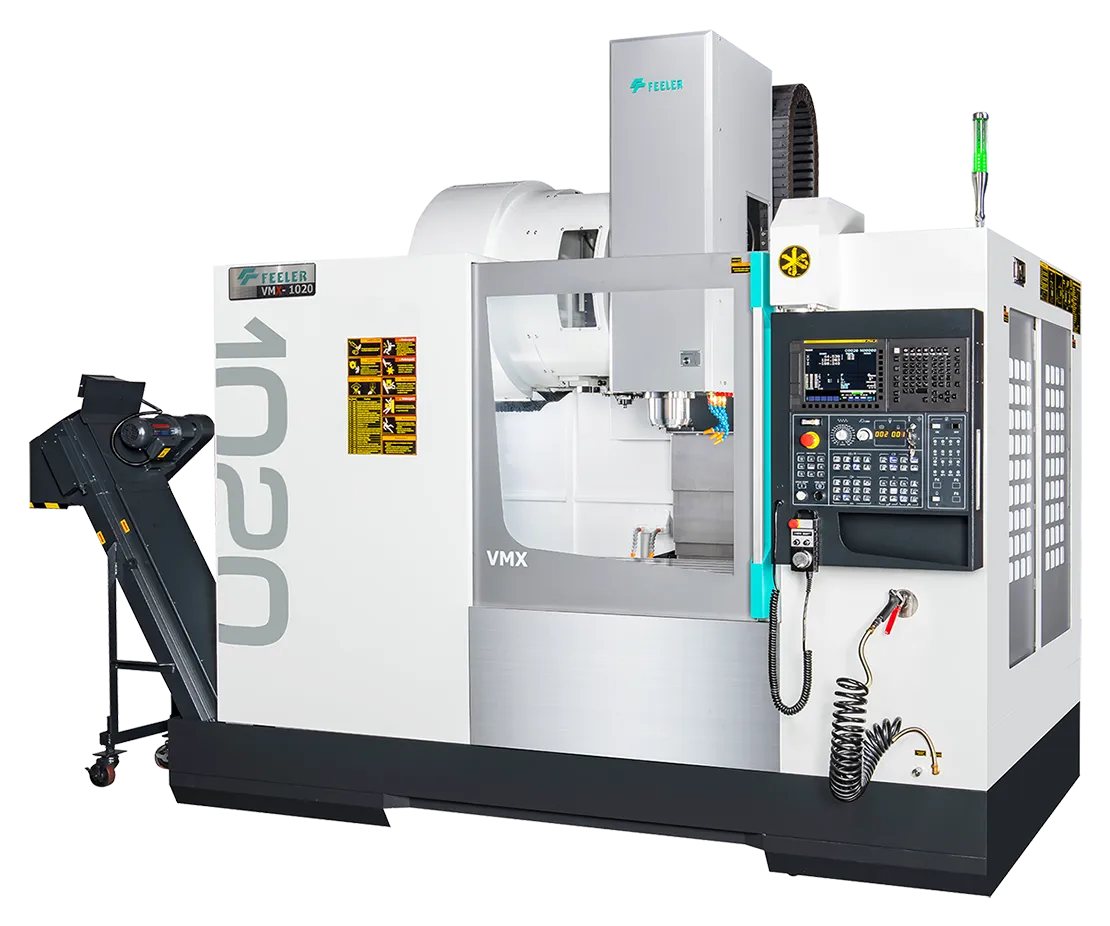
2. Steel and Mold Machining: Torque, Rigidity, and Surface Quality
Medium- and high-carbon steel and mold steels such as P20 and H13 require stable cutting performance under continuous load. Roughing emphasizes on low-speed torque and machine rigidity, while finishing emphasizes on spindle rotation response, vibration control, and surface quality.
- Spindle configuration: For roughing, a belt-driven spindle can provide stronger low-speed torque. For finishing, a 10,000–12,000 rpm direct-drive spindle is suitable.
- Guideway configuration: Roller linear guideways provide higher rigidity and load capacity. Box ways may be considered for long-duration heavy-load cutting.
- Coolant and chip removal: Use a chain-type chip conveyor according to chip characteristics, and ensure effective coolant flow for heat removal.
3. Cast Iron and Heavy Cutting: Damping, Load Capacity, and Chip Control
Cast iron (FC/FCD) produces fine, abrasive particles and intermittent cutting impact. Machine damping, vibration absorption, and enclosure sealing are key considerations.
- Spindle configuration: For heavy cutting, use a low-speed, high-torque belt-driven or geared spindle, typically in the 4,000–8,000 rpm range.
- Guideway configuration: Wide box ways and a rigid cast-iron structure provide damping and help reduce vibration during intermittent cutting.
- Chip removal and protection: Use enclosure sealing, dust collection, magnetic scraper conveyors, or fine-particle filtration according to machining conditions.
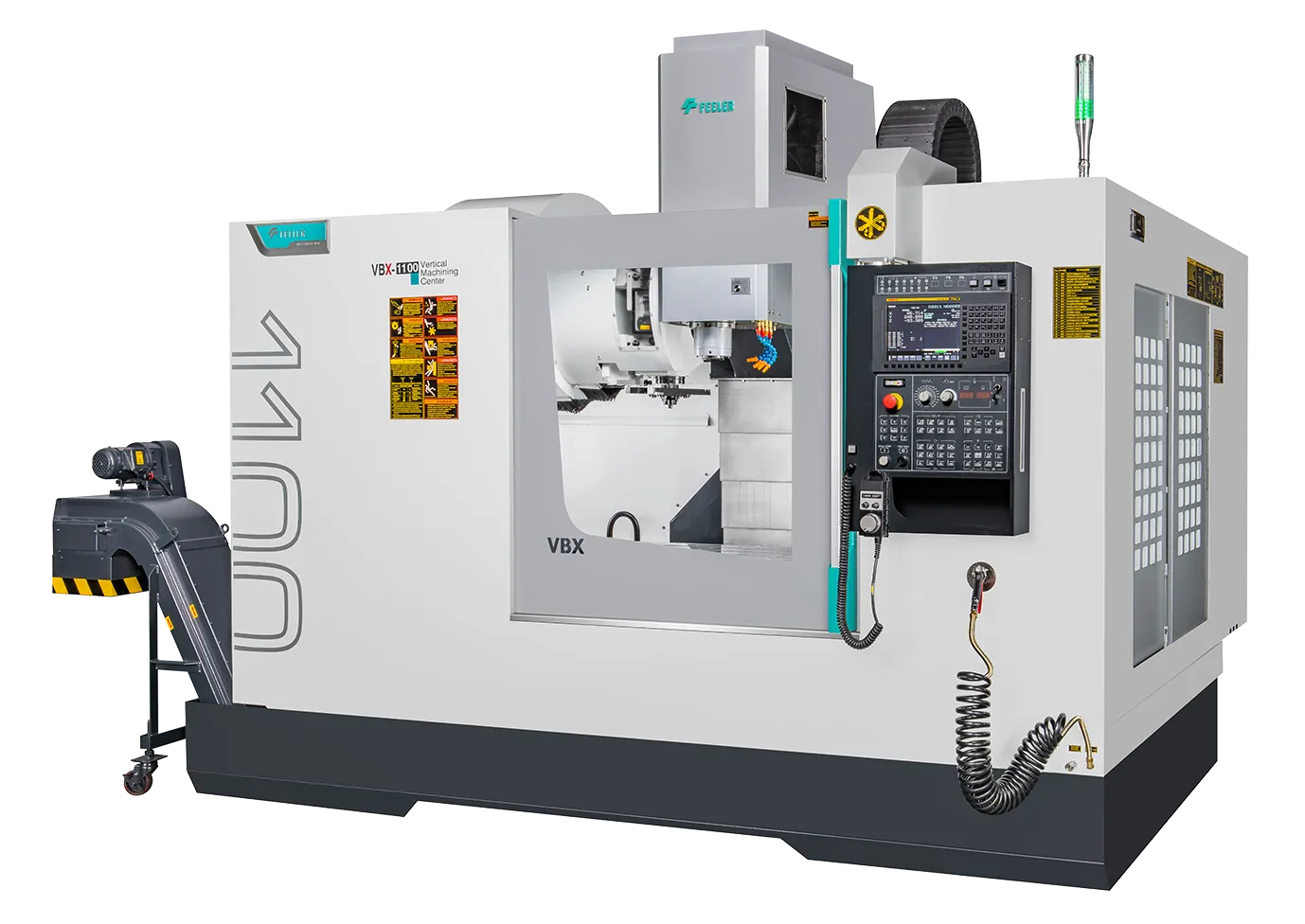
4. Hard-Brittle Materials: Reducing Cutting Force and Chipping Risk
Quartz, glass, silicon carbide, and advanced ceramics are prone to micro-cracks, edge chipping, and tool wear. Ultrasonic machining, fine-particle filtration, and proper enclosure protection help improve machining stability.
- Ultrasonic machining: Micron-level high-frequency axial vibration helps reduce cutting force, suppress edge micro-cracks, and extend tool life.
- Spindle configuration: A 20,000 rpm high-speed direct-drive spindle is recommended for ultrasonic machining applications.
- Filtration and compatibility: Confirm fine-particle filtration, spindle interface, tool holder specification, non-contact transmission, and control system compatibility.
5. Quick Reference: Material and Machine Configuration
Use the table below as a quick reference. Final specifications should be confirmed based on workpiece size, weight, tooling, accuracy, and production requirements.
| Workpiece Material / Application | Main Machining Characteristics | Configuration Direction | FEELER Reference Models |
|---|---|---|---|
| Aluminum alloys, 3C parts, precision light metals | High-speed cutting, built-up edge control, large volume of lightweight chips | 12,000–15,000 rpm direct-drive spindle; ball linear guideways; high-flow chip flushing system and scraper-type chip conveyor | .VMX Series .FMH-500(#40) |
| Steel, medium-hard steel, molds, general steel parts | Higher cutting resistance and thermal load; different requirements for roughing and finishing | Belt-driven or direct-drive spindle for roughing 10,000–12,000 rpm direct-drive spindle for finishing; chain-type chip conveyor |
.VMP Series .VMX-1650 (large-travel model) .VDX Series |
| Cast iron, heavy-load workpieces | Long-duration cutting, high-load machining | Low-speed, high-torque spindle; wide box ways or high-rigidity horizontal structure; magnetic scraper-type chip conveyor | .VBX Series (box way) .FMH Series |
| Quartz, advanced ceramics, special hard-brittle materials | Micro-cracks, edge chipping, tool wear, and fine particles | High-speed direct-drive spindle with ultrasonic module; suitable fine-particle filtration for the coolant circulation system | .QMP Series + ultrasonic module; .Vertical machining center + ultrasonic module |
Conclusion
A suitable CNC milling machine should match the material, roughing/finishing ratio, and production method. Spindle, guideway, chip removal, and automation options should be selected to support the required efficiency, accuracy, and stability. FEELER can assist with model selection and integration evaluation based on specific workpiece and process requirements.
Note: The configurations mentioned above are for reference only. Actual machine specifications should follow FEELER’s latest technical data and project evaluation.
Related Topic|FEELER Machine Application Overview